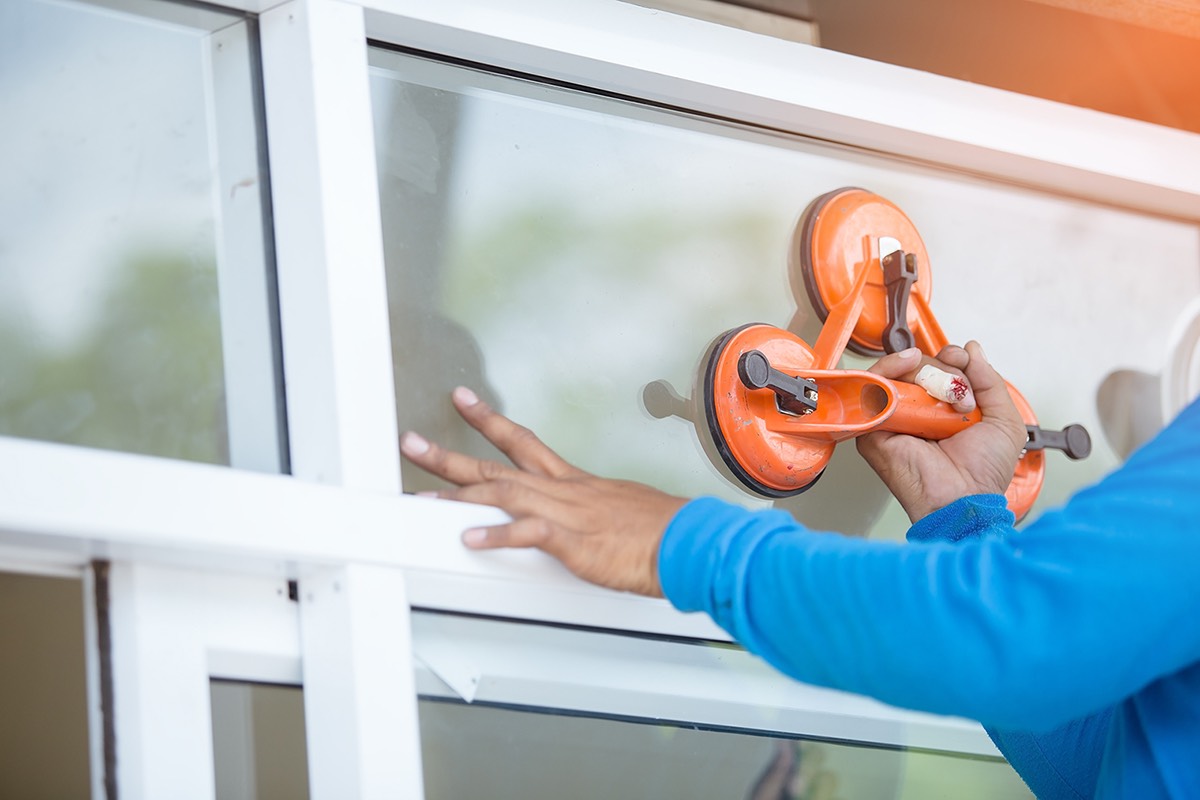
Navigating Home Window Repair: A Comprehensive Guide
Home windows are more than just openings that let light in and keep the aspects out. They play an important function in the energy effectiveness, security, and aesthetic appeal of a home. With time, nevertheless, windows can weaken due to use and tear, weather, or accidental damage. When this occurs, it's vital to address the issues quickly to preserve the stability of your home. This detailed guide will walk you through the procedure of home window repair, from determining common problems to carrying out the required repairs.
Common Window Issues and Their Causes
Before diving into the repair process, it's important to understand the common problems that can arise with home windows. Here are some of the most regular problems:
Leaking or Drafty Windows
- Causes: Poor setup, damaged weatherstripping, or harmed seals.
- Signs: Water stains on walls, drafts, and increased energy costs.
Broken or Broken Glass
- Causes: Accidental effect, severe temperature level modifications, or old, breakable glass.
- Symptoms: Visible cracks, damaged panes, or shattered glass.
Sticking or Hard-to-Open Windows
- Causes: Warped frames, built up dirt, or swollen wood.
- Signs: Difficulty in opening or closing windows, squeaking, or jamming.
Foggy or Cloudy Windows
- Causes: Failed seals in double-pane windows, allowing moisture to go into the area in between the panes.
- Symptoms: Fog or condensation inside the window, decreased presence.
Rotting or Damaged Wood Frames
- Causes: Moisture direct exposure, insect problems, or absence of maintenance.
- Signs: Soft, collapsing wood, noticeable decay, or insect activity.
Tools and Materials Needed for Window Repair
Before you start any repair, gather the essential tools and products. Here's a list to help you start:
Basic Tools:
- Screwdriver
- Hammer
- Pliers
- Utility knife
- Caulking weapon
- Paintbrush or roller
Products:
- Weatherstripping
- Caulk
- Replacement glass
- Wood filler
- Paint or stain
- Silicone sealant
- Glazing compound
Step-by-Step Guide to Home Window Repair
Evaluate the Damage
- Step 1: Identify the particular problem with your window. Is it a leak, a broken pane, or a sticking window?
- Action 2: Determine the extent of the damage. Small problems can typically be repaired with simple repairs, while major issues may need expert assistance.
Prepare the Work Area
- Action 1: Clear the location around the window to ensure you have sufficient space to work.
- Action 2: Protect your floorings and furniture with ground cloth or plastic sheeting.
Fixing Leaking or Drafty Windows
- Step 1: Remove old weatherstripping or caulking.
- Step 2: Clean the window frame and surrounding areas.
- Step 3: Apply new weatherstripping or caulk, making sure a tight seal.
- Step 4: Test the window to guarantee it is no longer dripping or drafty.
Replacing Broken Glass
- Step 1: Remove the damaged glass carefully to prevent injury.
- Step 2: Clean the window frame and eliminate any old glazing compound.
- Action 3: Install the new glass and secure it with glazing compound.
- Step 4: Allow the glazing substance to dry according to the producer's instructions.
Repairing Sticking or Hard-to-Open Windows
- Action 1: Clean the window tracks and get rid of any debris.
- Action 2: Apply a lubricant, such as silicone spray, to the tracks.
- Step 3: If the window is distorted or swollen, you may require to sand down the impacted areas or replace the frame.
Dealing With Foggy or Cloudy Windows
- Step 1: Remove the harmed window pane.
- Action 2: Install a brand-new double-pane window or replace the seals.
- Step 3: Ensure the new window is appropriately sealed to prevent wetness from entering.
Fixing Rotting or Damaged Wood Frames
- Action 1: Remove the harmed wood utilizing a sculpt or energy knife.
- Step 2: Apply wood filler to the affected areas and enable it to dry.
- Action 3: Sand the filled areas until they are smooth.
- Step 4: Paint or stain the fixed areas to match the remainder of the window frame.
FAQs About Home Window Repair
Q: Can I fix a broken window myself, or should I call an expert?A: Minor repairs, such as replacing a little pane of glass or applying new weatherstripping, can typically be done by homeowners. Nevertheless, for major problems like extensive frame damage or complex double-pane windows, it's best to speak with a professional.
Q: How often should I check my windows for damage?A: It's a great idea to inspect your windows a minimum of as soon as a year, ideally throughout the spring or fall. Related Site will help you capture and attend to concerns before they end up being more major.
Q: What can I do to avoid window damage in the future?A: Regular maintenance is crucial. Keep your windows tidy, replace weatherstripping as required, and resolve any indications of moisture or damage immediately. In addition, consider installing storm windows or window treatments to provide extra security.
Q: How do I know if my window requires to be replaced completely?A: If your window is seriously harmed, energy ineffective, or beyond repair, it might be time for a replacement. Indications consist of numerous broken panes, decaying frames, and relentless drafts or leakages.
Q: Are there any safety preventative measures I should take when repairing windows?A: Yes, security is important. Constantly use protective gloves and safety glasses when dealing with broken glass or using chemicals. Operate in a well-ventilated area, and ensure you have a stable ladder if you require to reach high windows.
Home window repair is a job that can be handled by numerous property owners with the right tools and knowledge. By dealing with typical problems without delay and following the steps outlined in this guide, you can preserve the functionality and look of your windows. Remember, routine maintenance and timely repairs can extend the life of your windows and enhance the total comfort and effectiveness of your home. If you experience more complicated problems, do not be reluctant to seek professional assistance to ensure the task is done correctly and securely.